Why Your Toilet Keeps Running
When a toilet keeps running, water is going somewhere it shouldn't, and the noise tells you where. This guide from Kedron Same Day Plumbing covers the three faults behind a running toilet, the colour test that confirms a leak, and the legal line where home owner repairs stop.
If we're late, $100 comes off your bill

- Licensed and InsuredEvery job done by a licensed plumber. QBCC No: 15024607
- Fixed Quote FirstFlat-rate pricing, agreed before any work starts
- Lifetime Labour WarrantyBacked by our Fix-It-or-It's-Free guarantee (T&Cs apply)
- $0 Call-Out FeesNo extra charge for nights, weekends or public holidays
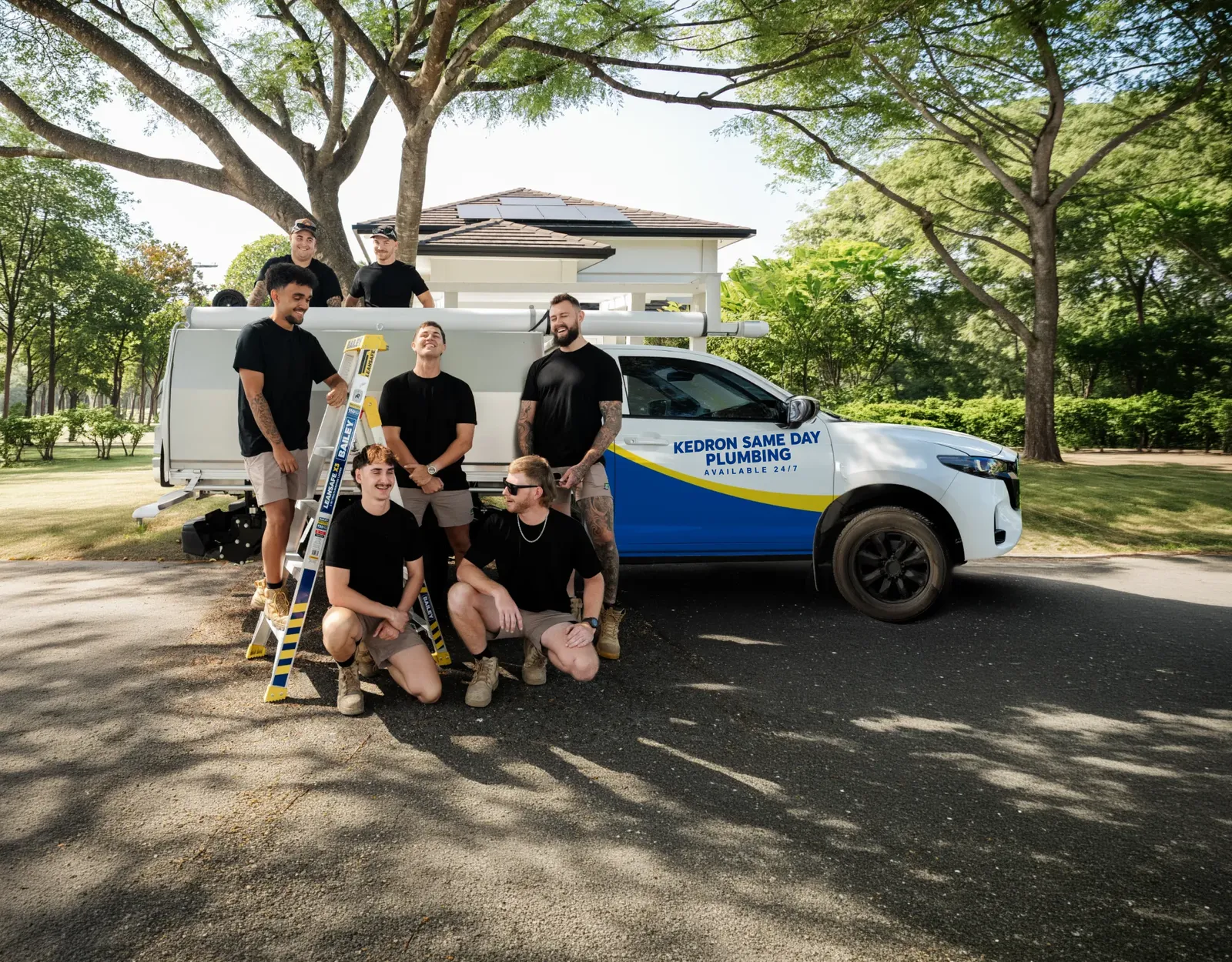
Here is how to read the sound, and what to do next.
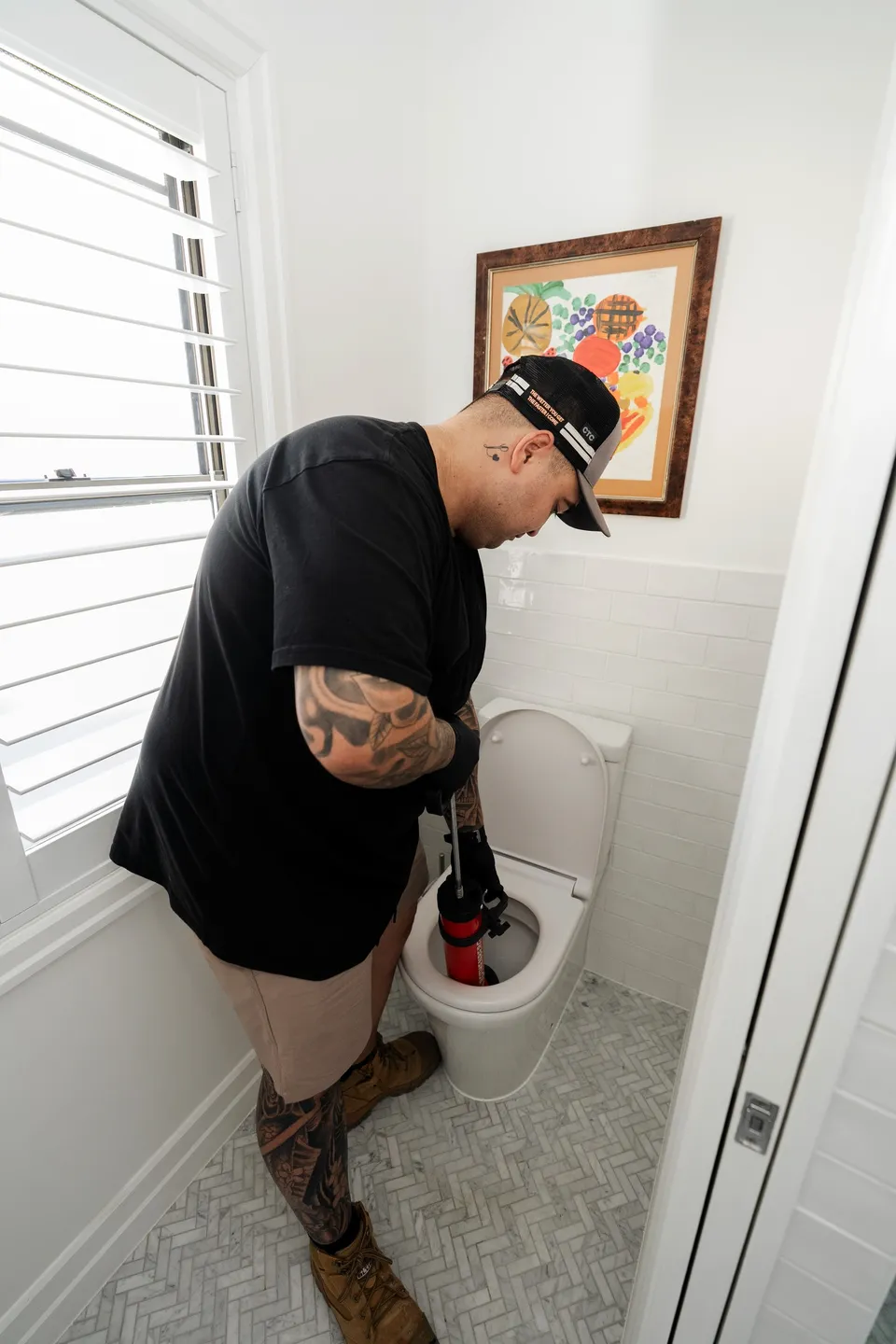
The Three Causes of a Running Toilet
Three faults cover almost every case: an inlet valve that never closes, a flush valve seal leaking into the pan, and a level high enough to spill through the overflow.
Each one leaves a different calling card:
A hiss or trickle that keeps going after the refill
the inlet valve is staying open.
The cistern refills itself every few minutes with no flush, or water slides down the back of the pan
the flush valve seal is passing water.
Water pouring from the overflow, or a dripping overflow pipe outside
the level is climbing past its mark, so the float or the inlet valve needs attention.
The inlet valve refills the cistern after each flush and closes when the float reaches its set level. The flush valve, also called the outlet valve, holds that water between flushes. A worn seal on either one produces the running you hear.

When the Cistern Will Not Fill
An empty cistern usually means an inlet valve worn or blocked, a float sitting too low, or a stop tap only partly open.
Check the stop tap first. One left part-way closed starves the refill, and a low float shuts the valve off before the level climbs.
Water running while the level stays flat is a different fault. The flush valve seal may be draining it into the pan at the same speed it arrives, which is the same leak behind a running toilet wearing a quieter disguise.
Kedron's housing runs from pre-1940 weatherboards near the Kedron Brook Bikeway to this century's unit blocks, so cisterns of every vintage sit on the same street. We diagnose on site rather than guess from the sound.
What Colour in the Bowl Tells You
Here is the test: add a few drops of food colouring to the cistern, leave it unflushed, and give it time.
Colour turning up in the bowl means cistern water is escaping into the pan. Flush when you're done, because the colouring won't stain ceramic. A bowl that stays clear sends you back to the inlet valve and the water level as the next things to check.
No food colouring in the house? Lay dry toilet paper at the rear of the pan, above the water. Damp paper means water is creeping down the back of the bowl, so the toilet leaks.
Where Home Owner Toilet Repairs Stop
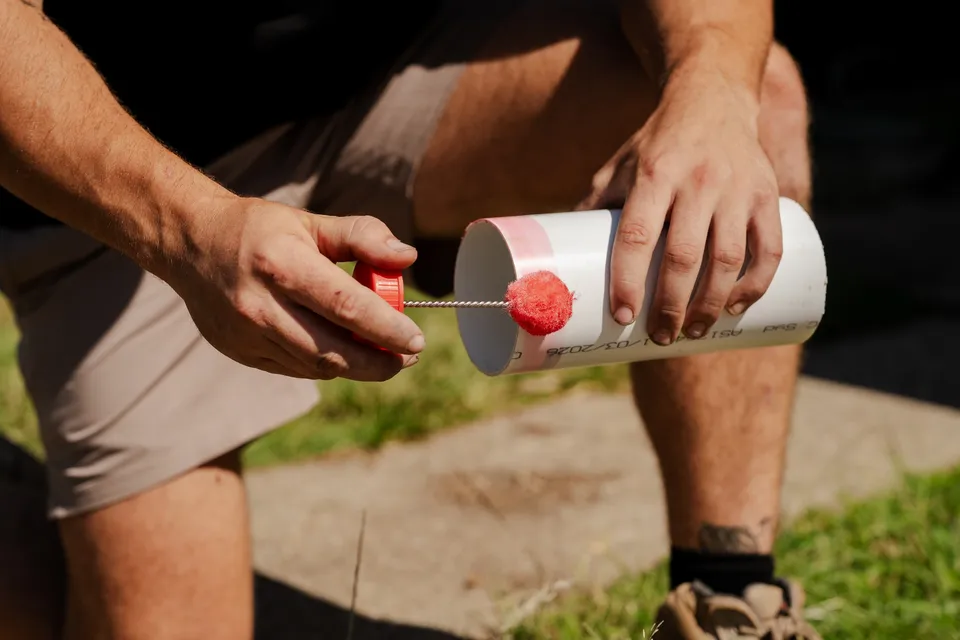
The QBCC lists three cistern jobs as unregulated work: a drop valve washer, a float valve washer and a suction cup rubber. Anyone with the right knowledge and skill may repair or replace them, and the finished work still has to meet the standards.
Everything else on a toilet is minor work, so Queensland law gives it to a licensed plumber. No permit and no Form 4 apply; the licence is the requirement.
Rentals add a duty. Tenancy law puts upkeep of a Queensland rental on the owner or manager, and the tenant's job is to report faults promptly.

What a Running Cistern Does to Your Water Bill
No, the utility's concealed leak adjustment leaves out water lost through a leaking cistern. Taps, cisterns, hot water systems and other water appliances are all excluded from that relief.
The property owner carries primary responsibility for leaks and the losses they cause. A cistern quietly topping itself up all day reads on the meter like ordinary use, and none of it comes back.
Renters feel this too. A running cistern pushes up the water account for the property, and the bill lands on whoever the lease names, so reporting it early protects everyone.

When to Call a Plumber
Ring us once colour appears in the bowl, the overflow runs, or the cistern stays empty with the stop tap fully open. All three sit past the unregulated parts, so a licensed plumber handles them by law.
Our toilet repairs in Kedron cover the seals, valves and pan connections behind a running cistern. We quote before we start, and the figure does not move afterwards.
Running Toilet Questions
Call (07) 3523 6484Which toilet cistern parts can I replace myself?
Queensland's regulator treats three cistern parts as unregulated: a drop valve washer, a float valve washer and a suction cup rubber. Anyone with the appropriate knowledge and level of skill may swap them, and the work still has to meet the standards.
What is the overflow in a toilet cistern?
The overflow is the outlet that lets surplus water leave the cistern instead of spilling onto the floor. When the inlet valve stays open or the float sits too high, the level climbs until water runs out through it.
What does it cost to fix a running toilet in Kedron?
Two things drive the price: which part has failed, and how easily we reach the cistern and the stop tap. A fixed quote confirms the figure before any work starts.
Who fixes a running toilet in a Kedron rental?
Tenancy law makes the owner or manager responsible for keeping a Queensland rental maintained, and the tenant reports faults as soon as they notice. A running cistern counts as routine, fixed within a reasonable time. The emergency list covers toilets that block or break, not one that runs.

Call Us About the Running ToiletWe'll call you back.
Call (07) 3523 6484 to book a plumber in Kedron. We're available 24/7, with $0 call-out fees, flat-rate pricing and same-day where we can.
To claim your $0 call-out fee, call (07) 3523 6484 today.